

SAHANA Matcha Latte
Your everyday matcha
My story begins in my childhood home in Japan, inspired by my mother, a master of the Urasenke tea school. Now as a mum in London, I care deeply about the heritage and quality of what we share with the people we love. To help you find a little beauty in your own daily rhythm, we developed this Matcha Latte tea.
To keep your ritual pure, I personally oversee every step. Our matcha is sourced directly from Shizuoka, Japan, and strictly follows EU pesticide regulations. Because I refuse to use additives, the vivid color and natural bitterness may vary batch to batch, a true, honest reflection of nature.
Whether you enjoy it as a creamy latte or a slightly bitter traditional tea, it's a piece of my journey from Japan to London. It is such an honour to share it with you in your home.
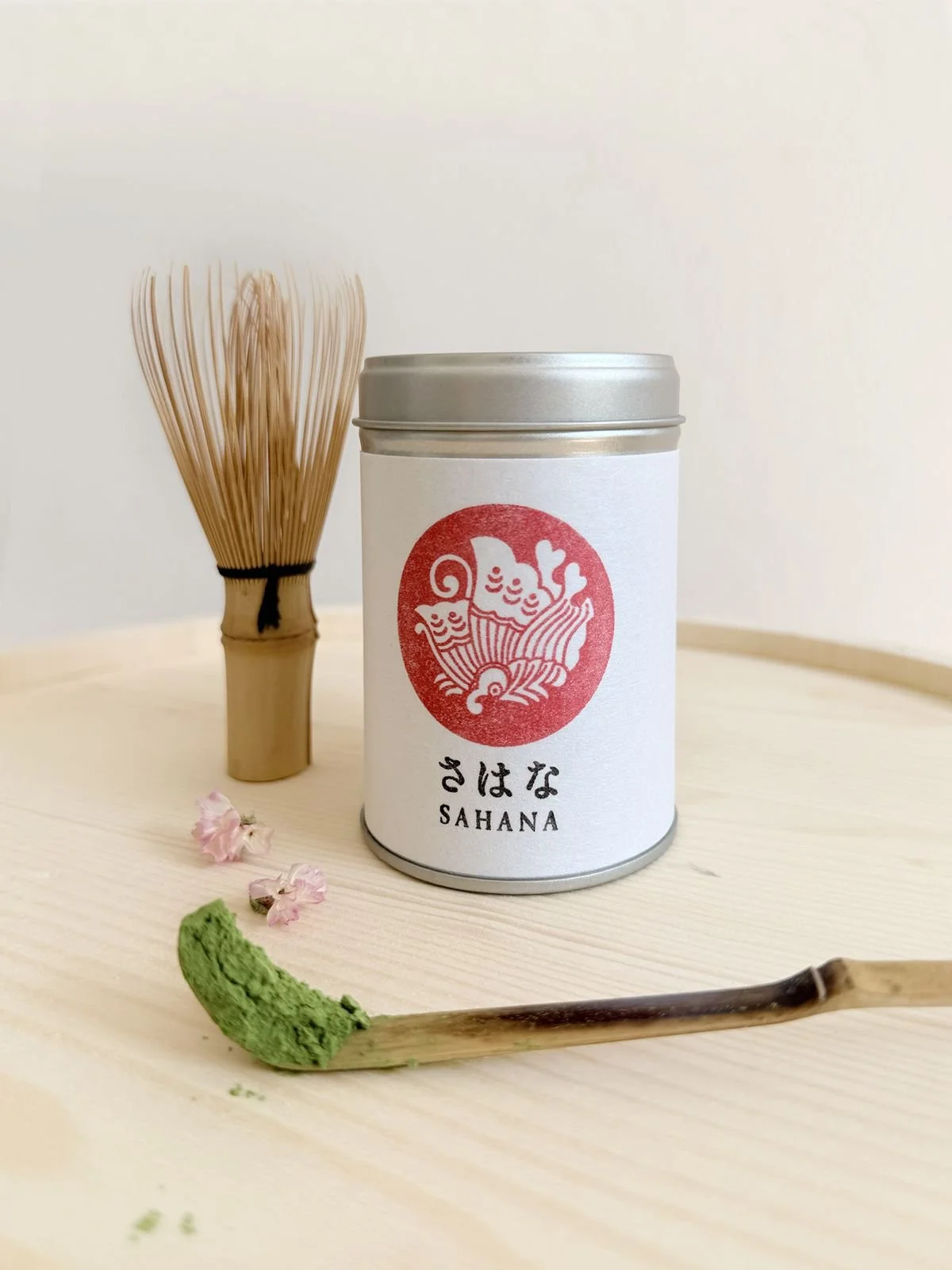
To keep your ritual pure, I personally oversee every step. Our matcha is sourced directly from Shizuoka, Japan, and strictly follows EU pesticide regulations. Because I refuse to use additives, the vivid color and natural bitterness may vary batch to batch, a true, honest reflection of nature.
Whether you enjoy it as a creamy latte or a slightly bitter traditional tea, it's a piece of my journey from Japan to London. It is such an honour to share it with you in your home.
Each of our matcha lattes come packaged in a re-usable tin with a clip and preparation instructions. If you’ve misplaced the instructions, see below on how to prepare the perfect cup of matcha latte.
To keep your ritual pure, I personally oversee every step. Our matcha is sourced directly from Shizuoka, Japan, and strictly follows EU pesticide regulations. Because I refuse to use additives, the vivid color and natural bitterness may vary batch to batch, a true, honest reflection of nature.
Whether you enjoy it as a creamy latte or a slightly bitter traditional tea, it's a piece of my journey from Japan to London. It is such an honour to share it with you in your home.
Each of our matcha lattes come packaged in a re-usable tin with a clip and preparation instructions. If you’ve misplaced the instructions, see below on how to prepare the perfect cup of matcha latte.
Preparing the Perfect Matcha Latte
1. Traditional Method — Using a Chasen
Whisked with traditional bamboo tools
Experience the traditional way of preparing matcha using a bamboo whisk (chasen). A calm ritual that creates a smooth, creamy latte with delicate foam.
3. Iced Matcha Latte
Refreshing, smooth, and perfect for warmer days
A refreshing iced matcha latte layered over milk and ice. Smooth, vibrant, and naturally energising.
2. Everyday Method — Using a Milk Foamer
A simple modern approach for everyday enjoyment
No tea tools needed. This quick and easy method is perfect for busy mornings while still bringing out the rich flavour and vibrant colour of SAHANA Matcha.